Why Is the Ocean Brown at Hilton Head? Understanding Coastal Water Coloration
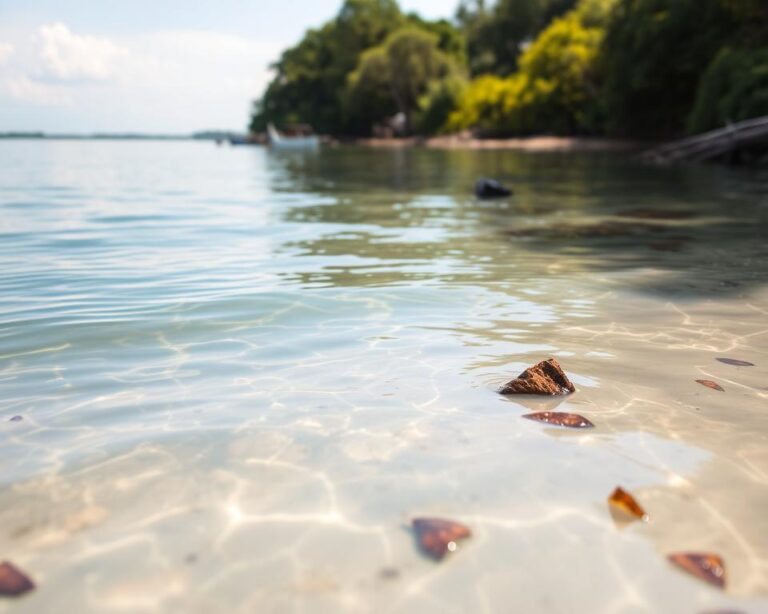
Many of us wonder why the ocean is brown at Hilton Head. We notice the unique color of the coastal waters when we visit. Exploring the reasons behind this is a topic of interest for many.
The reasons for brown ocean water at Hilton Head are complex. The island’s geography and coastal features play a big role. Understanding this is key for the health of the marine ecosystem. So, let’s dive into why the ocean is brown at Hilton Head.
Why Is the Ocean Brown at Hilton Head: The Natural Phenomenon Explained
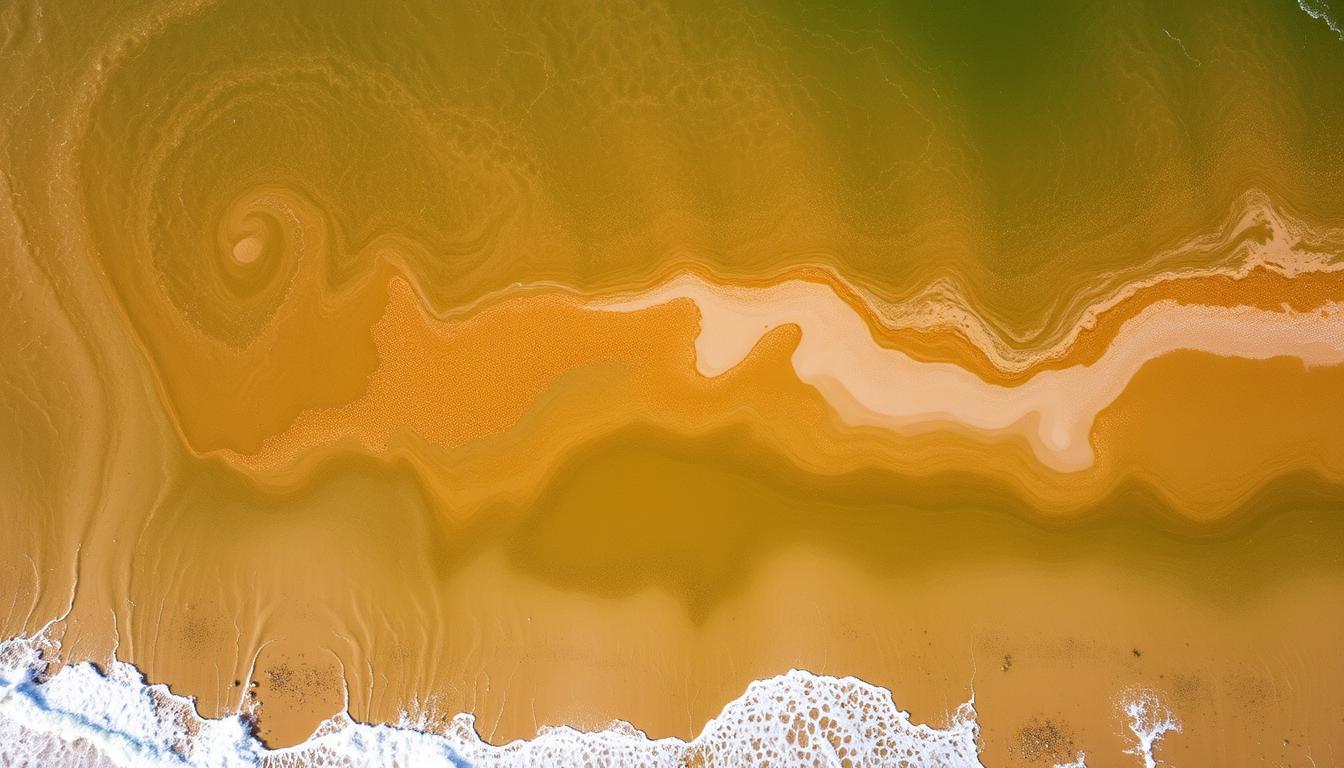
At Hilton Head, the ocean sometimes looks brown. This is due to natural reasons, not just pollution. A type of seaweed called sargassum is a big part of why the water looks brown.
The unique shape of Hilton Head Island and coastal erosion add sediment to the water. This changes how the ocean looks. Tides and rivers also play a role, moving sediment and changing the water’s color.
The Role of Sediment in Water Color
Sediment in the water comes from erosion and tides. It makes the ocean look brown, which is common at Hilton Head. Knowing how sediment affects water color helps us understand the brown water phenomenon.
Tidal Effects on Water Appearance
Tides greatly affect the ocean’s look, more so in places like Hilton Head. Tidal changes move sediment around, causing the water to appear brown.
River System Influences
Rivers also impact the ocean’s color by adding sediment and substances. This mix of factors leads to the brown water at Hilton Head. It’s important to see how rivers contribute to this phenomenon.
The Science Behind Hilton Head’s Coastal Waters
We explore why Hilton Head Island’s water turns brown. Natural and human factors mix to change the water’s quality and color. This creates the unique Hilton Head ocean brown color.
Coastal erosion, tidal patterns, and river systems all play a part. Human actions like pollution and development also impact the water. With over 2.25 million visitors each year, pollution levels rise.
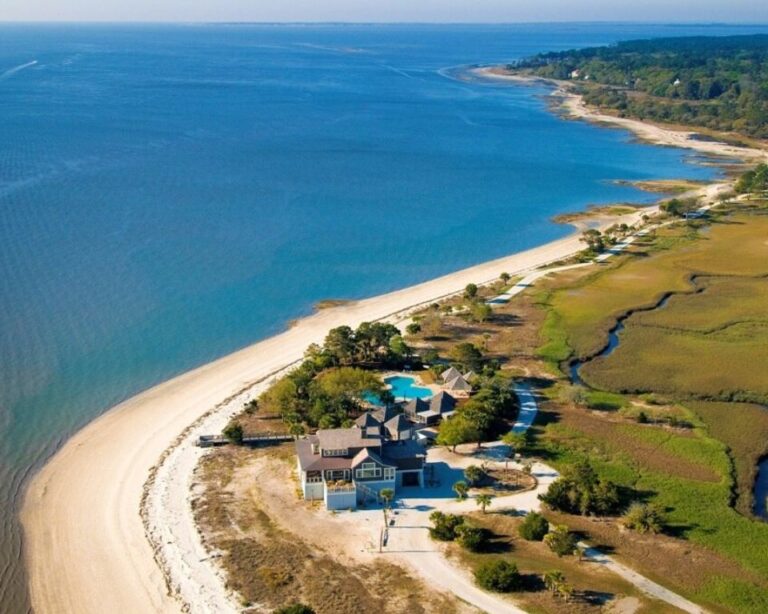
Hilton Head’s geography makes it vulnerable to water color changes. Its 12 miles of beach and 40.19% water area are key. The island’s low elevation adds to the brown water issue.
By understanding Hilton Head’s coastal waters, we can protect its beauty. This ensures the health of its ecosystem for the future.
The preservation of Hilton Head’s coastal waters requires a collaborative effort from the community, authorities, and visitors to minimize the impact of human activities on the island’s water quality and color.
Seasonal Changes in Ocean Color at Hilton Head
Exploring the ocean water color at Hilton Head shows us how seasons change it. The color shifts a lot throughout the year. In summer, warmer water and algae blooms make it brown. Winter’s cooler water makes it clearer.
There are many reasons for the brown water at Hilton Head. Pollution from land and sewage overflows are big factors. Weather and storms also play a part, stirring up sediment and pollution.
Knowing about seasonal changes helps us tackle ocean pollution. By understanding what makes the water brown, we can find ways to fix it. This way, we can keep Hilton Head’s waters beautiful for everyone.
Environmental Factors Affecting Water Color
Environmental factors greatly influence the color of Hilton Head’s coastal water. Ocean pollution is a big issue, affecting water quality and color. Pollutants like nutrients and sediments can make the water appear brown.
Coastal development also plays a role. Human activities, such as changing shorelines and dredging, can alter water flow and sediment. This leads to changes in water color. The brown tint in Hilton Head’s coastal water comes from pollution and development.
Studies show that pollution and development impact Hilton Head’s water color. These factors contribute to the brown tint. It’s vital to tackle these issues to keep the area beautiful.
The impact of human activities on the environment is a pressing concern, and it’s vital that we take steps to reduce our footprint and preserve the natural beauty of areas like Hilton Head Island.
To protect Hilton Head’s environment and beauty, we must address pollution and development. By doing so, we can keep the water healthy and reduce the brown tint. This effort will help maintain Hilton Head’s coastal water’s beauty.
Embracing Hilton Head’s Unique Coastal Character
As we finish our look at why is the ocean brown at Hilton Head, it’s clear the island’s ocean water color explanation Hilton Head is key to its charm. The reasons for brown ocean water Hilton Head add to the island’s special appeal. They come from natural processes.
By accepting the brown waters, we see Hilton Head’s coast as a changing, vibrant scene. Sediment, tides, and rivers mix to create a unique Lowcountry look. This invites visitors to enjoy the island’s stunning natural beauty.
As the Gullah culture, art, and heritage shape Hilton Head, the why is the ocean brown at Hilton Head symbolizes the area’s strength and true nature. The island’s events and art show its coastal spirit. They make the local experience richer and more meaningful.