Alligators on Hilton Head Island: Safety Tips and Where to Spot Them
When we visit Hilton Head Island, we often think about what’s under its waters. Alligators are common here, so we must wonder if we’re sharing our vacation with them. The island’s wildlife, including alligators, is a big part of its beauty.
Seeing alligators on Hilton Head can be thrilling, but safety is key. We’ll find out the best spots to see them and how to stay safe.
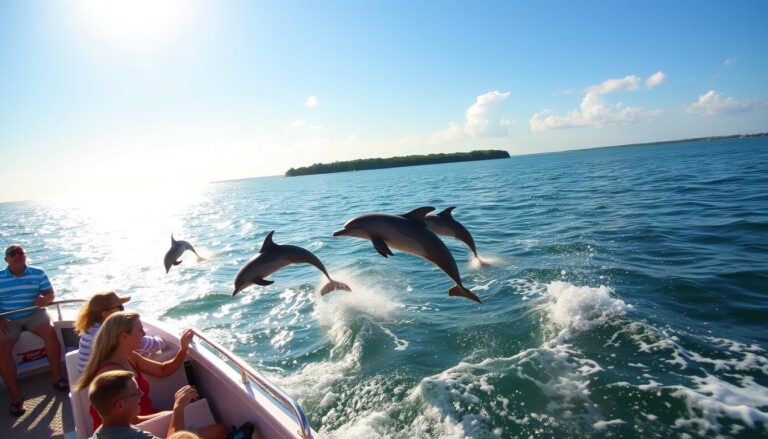
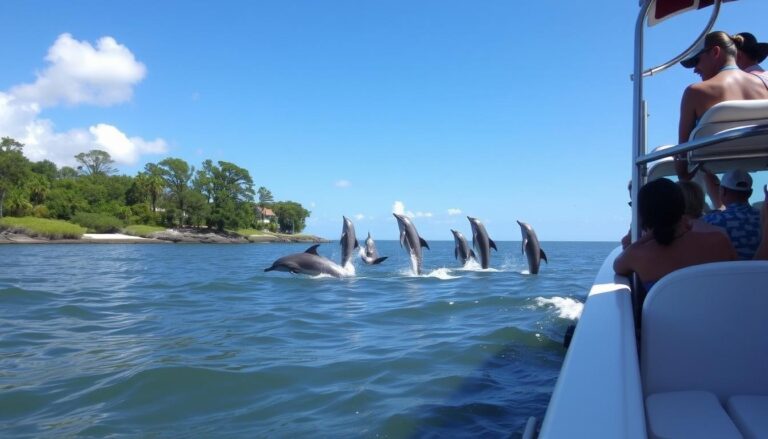
Alligators play a big role in Hilton Head’s ecosystem. We’ll learn how to respect them and enjoy seeing them. We’ll also learn about the island’s diverse wildlife, like dolphins.
Understanding Alligators on Hilton Head Island
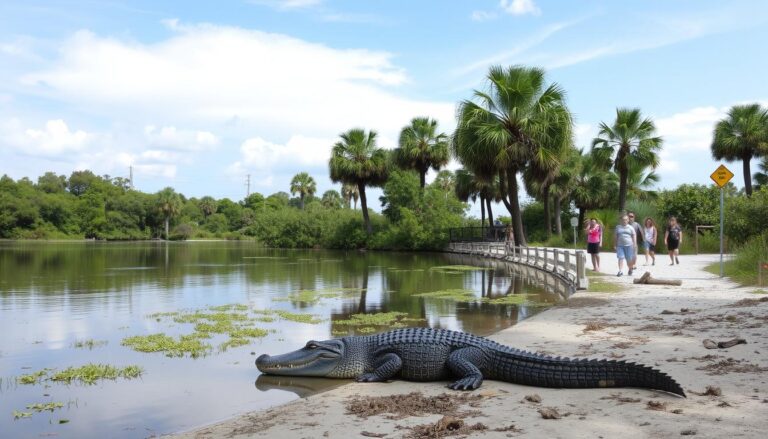
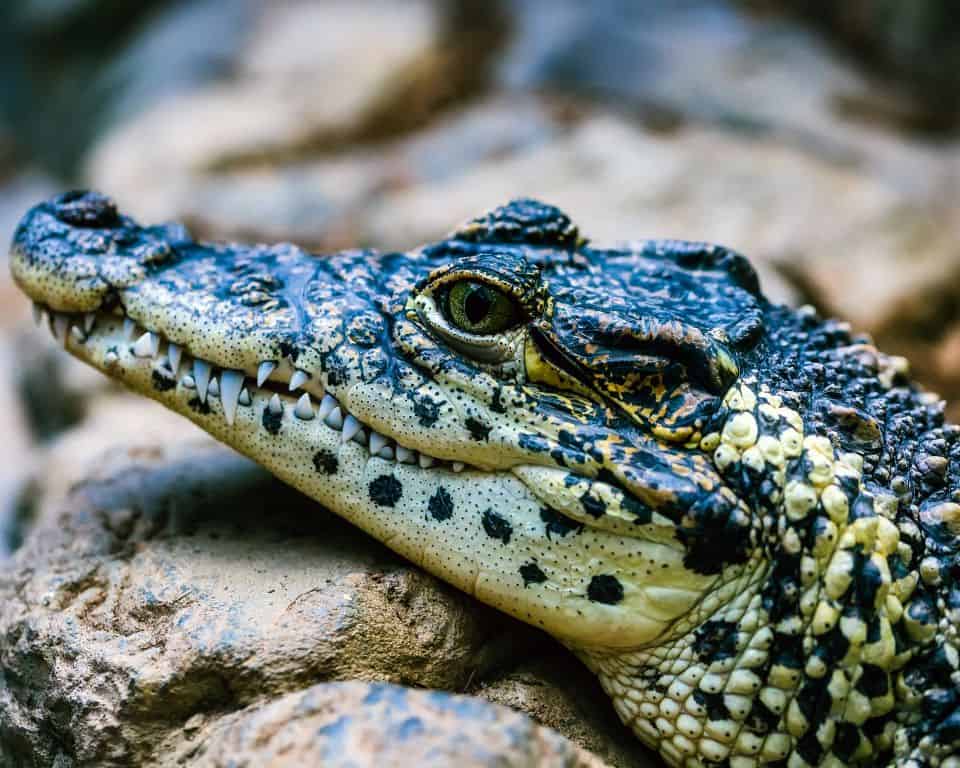
Hilton Head Island is known for its natural beauty. It’s important to know about the alligator habitat and their role in the ecosystem. With about 1,200 freshwater alligators, conservation is key. The island’s ponds, lagoons, and woods are perfect for them.
Alligators are a big part of Hilton Head’s wildlife. They help create homes for birds and reptiles. In dry times, their holes are a lifeline for other animals. This shows why we must protect them.
Exploring alligators is fascinating. We’ll learn about their behavior and how they live with the island’s wildlife. By understanding them, we can live in harmony with Hilton Head’s alligators.
Natural Habitat and Population
Alligators live in Hilton Head’s freshwater spots and wooded areas. This habitat is perfect for them. It’s vital to keep it safe for their survival.
Essential Safety Guidelines for Alligator Encounters
When you see alligators in Hilton Head, keep a safe distance of at least 60 feet. Never try to approach or feed them. Feeding alligators is illegal and dangerous because it makes them lose their fear of humans.
It’s important to be careful, mainly when near water. This helps avoid bad encounters with alligators.
Exploring Hilton Head can be fun, and taking an alligator tour is a good way to learn. It’s key to follow the rules given by tour guides and local authorities. This way, we can enjoy seeing alligators safely and learn about them.
Alligator attacks are rare, but it’s smart to be ready. By following safety tips and respecting their space, we can safely see alligators in Hilton Head. Whether on a tour or just out exploring, safety comes first.
Experts say keeping a safe distance and not feeding alligators prevents attacks. Together, we can live safely with these amazing animals.
Best Times and Seasons for Alligator Viewing
Spotting alligators on Hilton Head Island requires the right timing. Knowing where to see them and the best spots is key. Alligators are active at specific times, and knowing their habits helps us see them.

Alligators need outside heat to function, like digestion. In summer, they hide but can be seen basking in the sun. In spring, they’re more active, sunbathing on banks, like in the Sea Pines Forest Preserve.
Spring Viewing Opportunities
In spring, alligators are more active, seeking warm water and food. This is a great time to see them on Hilton Head. By knowing where to look, we can increase our chances of spotting them.
Summer Activity Patterns
In summer, alligators are active at night, in calm water. They eat fish, birds, turtles, and carrion. Understanding their habits helps us find them on Hilton Head Island.
Top Locations for Safe Alligator Spotting
Exploring Hilton Head Island for alligator sightings should be fun and safe. We aim to see these amazing creatures in their natural home. The island has many spots where we can see alligators, each with its own unique setting.
Sea Pines Forest Preserve and Pinckney Island National Wildlife Refuge are great places to start. These areas show off Hilton Head’s natural beauty, with ponds and waterways that alligators call home. Golf courses on the island also attract alligators, thanks to their water hazards.
Visiting these spots helps us understand why protecting alligators is so important. South Carolina is home to over 100,000 alligators. It’s vital that we work to keep their habitats safe. Hilton Head offers a special experience for those who love nature and adventure.
Remember to respect these incredible creatures and their habitat, keeping a safe distance and never feeding them in the wild. By doing so, we can help preserve the beauty and wonder of Hilton Head Island’s alligator population for generations to come.
Guided Tours and Professional Experiences
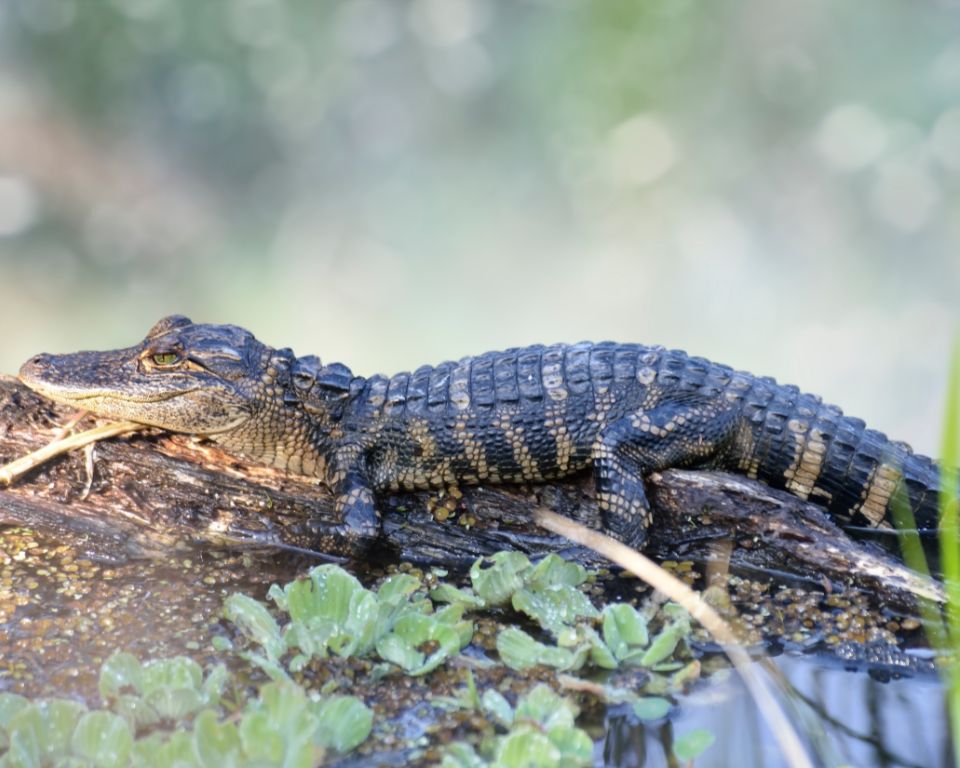
For a unique and unforgettable experience, consider taking a guided tour or professional alligator-watching excursion on Hilton Head Island. Joining a guided tour can help you understand alligators and their habitat better. Local tour guides on Hilton Head are experienced and knowledgeable about the wildlife, including alligators.
Licensed Tour Operators
When choosing a tour operator, look for licensed and experienced guides. They offer a safe and informative experience. Guides can help you spot alligators in their natural habitat and share valuable information about them.
What to Expect on an Alligator Tour
On an alligator tour, you can see these incredible animals up close. You’ll learn about their behavior, habitat, and conservation status. Spotting alligators in Hilton Head is thrilling, and a guided tour makes it even better.
Photography Tips and Guidelines
To capture stunning photos of alligators, keep a safe distance and use a telephoto lens. A guided tour can get you close to these amazing creatures. This way, you can take home unforgettable memories of your alligator tours Hilton Head experience.
Living Alongside Hilton Head’s Prehistoric Residents
Living with alligators on Hilton Head Island means we must support alligator conservation Hilton Head Island efforts. We need to respect their space and follow local rules. This way, we can live safely with these ancient animals.
The island’s ecosystem is home to many Hilton Head Island wildlife species, including alligators. They help keep nature in balance. As locals and visitors, we should act responsibly to protect our environment.
Together, we can safeguard the island’s natural treasures. We must report any alligator sightings and follow rules to avoid conflicts. This helps keep everyone safe.
Education and awareness are key. They help us value and respect these amazing creatures. And they highlight the need for alligator conservation Hilton Head Island efforts.
Conservation Efforts and Protection Measures
We understand how vital alligator conservation on Hilton Head Island is. These animals are key to the local ecosystem. State and federal laws protect their habitat, ensuring their survival. Our aim is to support these efforts and protect the environment’s natural balance.
Protecting alligators and their homes is a big task. It’s important to know how human actions affect them. By viewing wildlife responsibly and respecting their space, we help. Reporting incidents to the South Carolina Department of Natural Resources is also key.
We also support groups focused on alligator conservation on Hilton Head Island. They work hard to protect and preserve their habitats. Together, we can ensure these amazing creatures and their ecosystems thrive. Remember, alligators are vital to nature’s balance, and their conservation is critical.
By actively participating in alligator conservation and protection, we can secure their future and the ecosystem they live in.
As we go forward, promoting responsible wildlife viewing is essential. Respecting alligators’ natural habitats on Hilton Head Island is vital. This way, we can protect these incredible animals and their environment for generations to come.
Embracing Wildlife Responsibly on Hilton Head Island
As we wrap up our exploration of alligators on Hilton Head Island, it’s key to remember the importance of being responsible. We must respect and value the many species that live here, like the American alligator.
Hilton Head Island is a special place where humans and wildlife live together. It’s our job to keep this balance. By following local rules, we protect the homes of alligators, sea turtles, dolphins, and more. This means keeping a safe distance, not feeding wildlife, and being careful during certain times.
By taking care of Hilton Head Island’s ecosystem, we help preserve its beauty. This way, we can enjoy the island while making sure its wildlife stays healthy. By being responsible, we ensure that future generations can also appreciate the beauty and strength of these amazing creatures.